Last updated: July 31, 2026

Quick Answer
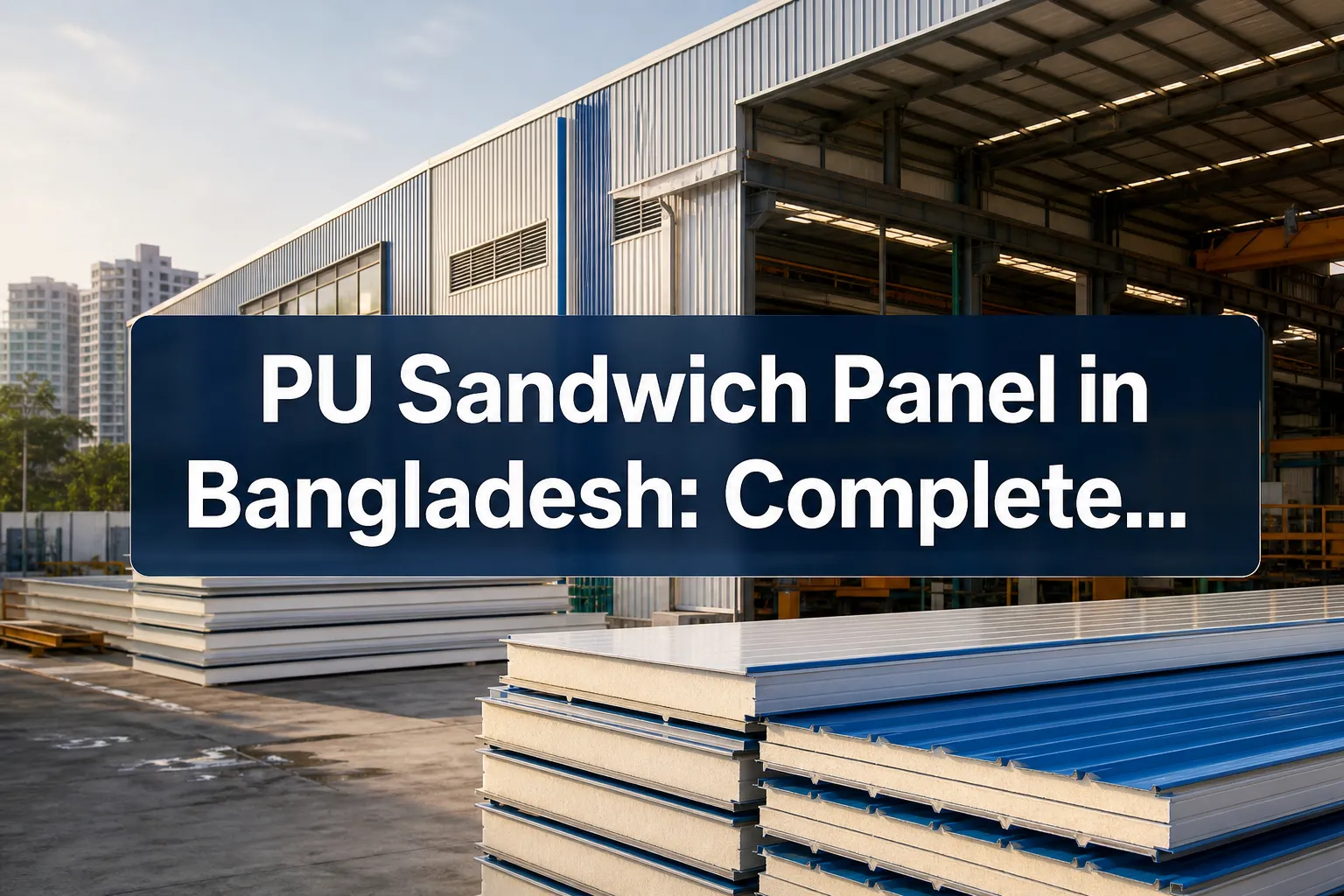
PU sandwich panels in Bangladesh are high-performance insulated building materials featuring polyurethane foam cores between two metal sheets, offering superior thermal insulation and structural strength. These panels are widely used for cold storage facilities, industrial buildings, and commercial construction across Bangladesh, with prices ranging from 800-1500 BDT per square meter depending on thickness and specifications.
Key Takeaways
- PU sandwich panels provide excellent thermal insulation with R-values of 6-8 per inch, making them ideal for cold storage and climate-controlled facilities
- Price range in Bangladesh spans 800-1500 BDT per square meter based on thickness (50mm-200mm) and quality specifications
- Top manufacturers include local suppliers in Dhaka, Chittagong, and Sylhet offering both imported and locally produced options
- Installation process requires specialized equipment and trained technicians to ensure proper sealing and structural integrity
- Fire rating varies by manufacturer, with Class B fire-resistant options available for safety-critical applications
- Lifespan typically ranges 20-25 years with proper maintenance and quality installation
- Common applications include cold storage warehouses, pharmaceutical facilities, food processing plants, and industrial buildings
- Thickness options range from 50mm to 200mm, with 100mm being most popular for general construction
What is a PU Sandwich Panel and How Does It Work
A PU sandwich panel consists of a rigid polyurethane foam core sandwiched between two metal facings, typically galvanized steel or aluminum. The polyurethane foam provides exceptional thermal insulation while the metal sheets offer structural strength and weather protection.
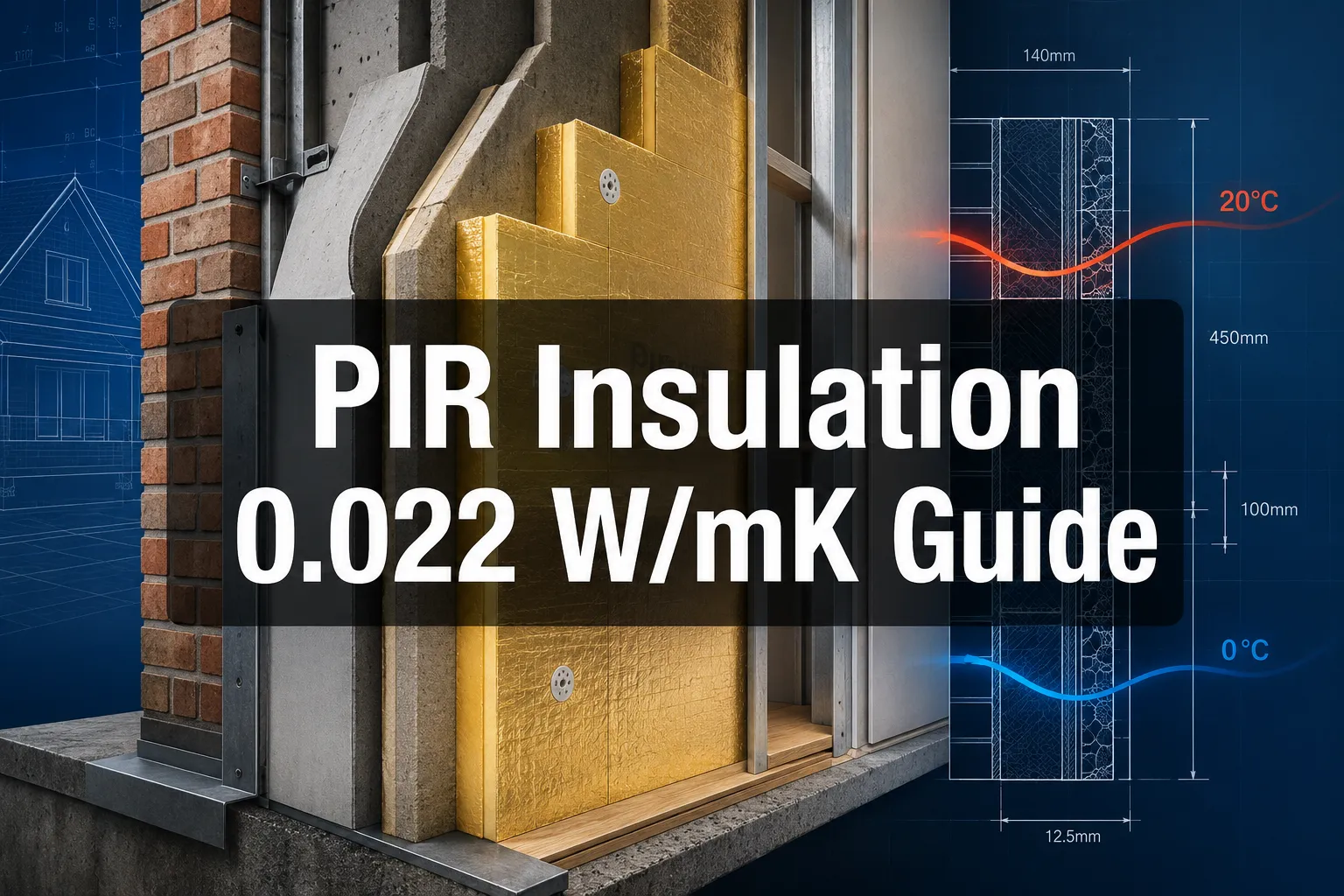
The panel works through its composite structure where the foam core acts as both insulation and structural adhesive. The closed-cell polyurethane foam prevents heat transfer through conduction, convection, and radiation, achieving thermal conductivity values as low as 0.022 W/mK. The metal facings distribute loads across the panel surface and provide durability against environmental factors.
Key performance characteristics include:
- Thermal conductivity: 0.022-0.028 W/mK
- Compressive strength: 150-200 kPa
- Density: 40-45 kg/m³ for the foam core
- Temperature resistance: -40°C to +120°C
Choose PU panels over alternatives when thermal performance is critical, such as cold storage facilities where maintaining consistent temperatures directly impacts operating costs.
PU Sandwich Panel Price in Bangladesh
PU sandwich panel prices in Bangladesh vary significantly based on thickness, quality, and supplier location. Current market rates range from 800 BDT to 1500 BDT per square meter for standard specifications.
Price breakdown by thickness:
- 50mm thickness: 800-1000 BDT/m²
- 75mm thickness: 950-1200 BDT/m²
- 100mm thickness: 1100-1350 BDT/m²
- 150mm thickness: 1300-1500 BDT/m²
- 200mm thickness: 1400-1600 BDT/m²
Factors affecting pricing include:
- Panel thickness and density
- Metal facing gauge (0.4mm to 0.7mm)
- Fire rating requirements
- Order quantity (bulk discounts available)
- Delivery location within Bangladesh
- Seasonal demand fluctuations
For accurate pricing on your specific project, contact multiple suppliers as prices can vary 15-20% between different manufacturers. Consider total project costs including installation expenses when budgeting.
Best PU Sandwich Panel Manufacturers in Bangladesh
Bangladesh has several established manufacturers and suppliers offering quality PU sandwich panels. Local production has increased significantly, reducing dependence on imports and providing competitive pricing.
Top manufacturer categories:
- Local manufacturers: Focus on cost-effective solutions with standard specifications
- Import distributors: Offer premium international brands with advanced features
- Hybrid suppliers: Combine imported cores with local assembly for balanced quality-price ratio
Key selection criteria for manufacturers:
- ISO certification and quality standards compliance
- Fire safety certifications for panels
- Warranty terms (typically 10-15 years for structural integrity)
- Technical support and installation services
- Production capacity to meet project timelines
Common mistake: Choosing solely based on lowest price without verifying quality certifications. Poor-quality panels may fail prematurely, leading to costly replacements and energy losses.
For comprehensive supplier options, review our detailed sandwich panel suppliers guide covering verified manufacturers across Bangladesh.
PU Sandwich Panel vs Fiberglass Sandwich Panel
PU and fiberglass sandwich panels serve different construction needs, with distinct performance characteristics. PU panels excel in thermal insulation, while fiberglass panels offer superior fire resistance and chemical durability.
Thermal performance comparison:
- PU panels: R-value 6-8 per inch, excellent for temperature control
- Fiberglass panels: R-value 3-4 per inch, adequate for basic insulation
Fire safety differences:
- PU panels: Class B fire rating, may release toxic fumes when burning
- Fiberglass panels: Non-combustible, safer for high-risk applications
Cost analysis:
- PU panels: Lower initial cost, higher thermal efficiency
- Fiberglass panels: Higher upfront cost, longer lifespan in harsh environments
Choose PU panels when: Maximum thermal insulation is required, such as cold storage or HVAC-controlled environments where energy efficiency is paramount.
Choose fiberglass panels when: Fire safety is critical, chemical exposure is expected, or extreme durability is needed for industrial applications.
Where to Buy PU Sandwich Panel in Dhaka
Dhaka offers the largest concentration of PU sandwich panel suppliers in Bangladesh, with options ranging from local manufacturers to international distributors. Major supplier clusters are located in Tejgaon, Uttara, and Savar industrial areas.
Primary supplier locations:
- Tejgaon Industrial Area: Houses multiple manufacturers with showrooms and warehouses
- Uttara Sector 7-10: Several import distributors with premium brand options
- Savar EPZ: Manufacturing facilities offering direct factory pricing
- Gazipur: Emerging hub for local production with competitive rates
Purchasing considerations:
- Minimum order quantities (typically 500-1000 m²)
- Delivery lead times (2-4 weeks for standard orders)
- Payment terms and financing options
- Technical support availability
- Installation service coordination
Best practice: Visit multiple suppliers to compare samples physically, as panel quality can vary significantly between manufacturers. Request thermal conductivity test reports and fire rating certifications before making large purchases.
Consider working with suppliers who offer comprehensive installation services to ensure proper panel performance.
PU Sandwich Panel Thickness and Specifications
Panel thickness selection directly impacts thermal performance, structural capacity, and project costs. Standard thicknesses range from 50mm to 200mm, with specific applications requiring different specifications.
Thickness selection guide:
- 50mm: Basic insulation for mild climate control, warehouses
- 75mm: Standard commercial buildings, moderate temperature control
- 100mm: Most popular choice, balanced performance for general construction
- 150mm: Cold storage, pharmaceutical facilities requiring strict temperature control
- 200mm: Ultra-low temperature storage, specialized industrial applications
Technical specifications to verify:
- Core density: 40-45 kg/m³ for optimal performance
- Metal facing thickness: 0.4mm minimum for durability
- Thermal conductivity: ≤0.025 W/mK for energy efficiency
- Fire rating: Class B minimum for safety compliance
- Compressive strength: ≥150 kPa for structural integrity
Common specification mistake: Under-specifying thickness to reduce costs, which leads to higher long-term energy expenses and potential temperature control failures.
For specialized applications like clean room construction, additional specifications may include antimicrobial coatings and enhanced sealing systems.
PU Sandwich Panel Installation Process
Professional installation is crucial for PU sandwich panel performance and longevity. The process requires specialized equipment and trained technicians to achieve proper sealing and structural integrity.
Step-by-step installation process:
- Site preparation: Level foundation, install structural framework
- Panel handling: Use vacuum lifters to prevent surface damage
- First panel placement: Establish reference line, ensure proper alignment
- Joint sealing: Apply structural sealant to all panel connections
- Fastening: Use self-drilling screws with EPDM washers
- Quality inspection: Check thermal bridges, seal integrity, structural connections
Critical installation requirements:
- Ambient temperature: 5°C to 35°C during installation
- Moisture protection during storage and installation
- Proper lifting equipment to prevent panel damage
- Thermal bridge elimination at connections
- Vapor barrier continuity maintenance
Installation timeline: Typical crew can install 200-300 m² per day under optimal conditions.
Common installation errors:
- Inadequate joint sealing leading to thermal bridges
- Over-tightening fasteners causing panel deformation
- Poor handling resulting in core damage
For detailed installation guidelines, consult our comprehensive installation cost guide covering labor rates and timeline expectations.
PU Sandwich Panel Durability and Lifespan
PU sandwich panels typically last 20-25 years with proper installation and maintenance. Panel longevity depends on environmental conditions, installation quality, and maintenance practices.
Factors affecting lifespan:
- UV exposure: Direct sunlight can degrade exterior coatings over time
- Moisture infiltration: Poor sealing allows water penetration and core degradation
- Thermal cycling: Frequent temperature changes stress panel connections
- Chemical exposure: Industrial environments may accelerate deterioration
- Mechanical damage: Impact or improper loading reduces structural integrity
Maintenance requirements:
- Annual inspection of joint seals and fasteners
- Cleaning of exterior surfaces to prevent corrosion
- Immediate repair of any punctures or damage
- Replacement of worn weatherstripping
Performance degradation timeline:
- Years 1-5: Minimal degradation with proper installation
- Years 6-15: Gradual reduction in thermal performance (5-10%)
- Years 16-25: Noticeable aging, potential seal replacement needed
- Beyond 25 years: Significant performance loss, replacement recommended
Warranty considerations: Most manufacturers offer 10-15 year warranties on structural integrity and thermal performance. Review warranty terms carefully before purchase.
PU Sandwich Panel for Cold Storage Applications
Cold storage facilities represent the primary application for PU sandwich panels in Bangladesh due to their superior thermal insulation properties. These panels maintain consistent temperatures while minimizing energy consumption.
Cold storage performance benefits:
- Thermal conductivity as low as 0.022 W/mK reduces heat gain
- Continuous insulation eliminates thermal bridging
- Vapor barrier properties prevent moisture infiltration
- Quick installation reduces construction time
Thickness recommendations for cold storage:
- Chiller storage (0°C to 4°C): 100-150mm thickness
- Freezer storage (-18°C to -25°C): 150-200mm thickness
- Deep freeze (-30°C and below): 200mm+ thickness with enhanced sealing
Special considerations for cold storage:
- Enhanced joint sealing to prevent air infiltration
- Vapor barrier continuity critical for preventing ice formation
- Structural design must account for thermal expansion/contraction
- Fire safety systems adapted for low-temperature environments
Energy efficiency impact: Properly installed PU panels can reduce cold storage energy consumption by 20-30% compared to traditional insulation methods.
For specialized cold storage panel requirements, explore our PU panel cold storage guide covering design specifications and installation best practices.
PU Sandwich Panel Fire Rating and Safety
Fire safety is a critical consideration for PU sandwich panels, as polyurethane foam can be combustible under certain conditions. Most PU panels achieve Class B fire ratings, but enhanced fire-resistant options are available for high-risk applications.
Fire rating classifications:
- Class A: Non-combustible, flame spread index 0-25
- Class B: Limited combustibility, flame spread index 26-75 (typical for PU panels)
- Class C: Moderate combustibility, flame spread index 76-200
Fire safety features:
- Fire-retardant additives in foam formulation
- Intumescent coatings that expand when heated
- Enhanced metal facings for fire barrier protection
- Compartmentalization design to limit fire spread
Safety considerations:
- Toxic fume generation during combustion
- Rapid fire spread potential in certain configurations
- Need for adequate fire suppression systems
- Emergency evacuation planning for enclosed spaces
Applications requiring enhanced fire safety:
- Hospitals and healthcare facilities
- Schools and public buildings
- High-occupancy commercial spaces
- Chemical storage facilities
For critical applications, consider fire-rated sandwich panels that meet enhanced safety standards and building code requirements.
Common Problems with PU Sandwich Panels
Understanding potential issues helps prevent costly problems during and after installation. Most problems stem from poor installation practices or inadequate maintenance.
Thermal bridging issues:
- Cause: Improper joint sealing or fastener installation
- Impact: Reduced insulation efficiency, condensation problems
- Prevention: Use thermal break fasteners, continuous sealant application
Moisture infiltration:
- Cause: Damaged seals, poor vapor barrier continuity
- Impact: Core degradation, mold growth, structural damage
- Prevention: Regular seal inspection, immediate repair of damage
Panel deformation:
- Cause: Over-tightened fasteners, inadequate structural support
- Impact: Poor appearance, potential seal failure
- Prevention: Follow manufacturer torque specifications, proper framing
Surface corrosion:
- Cause: Scratches during handling, inadequate coating
- Impact: Reduced lifespan, aesthetic degradation
- Prevention: Careful handling, protective film during installation
Edge case: In coastal areas of Bangladesh, salt air accelerates corrosion. Specify enhanced coating systems for marine environments.
Troubleshooting approach:
- Identify problem source (installation, material, or environmental)
- Assess extent of damage
- Implement immediate repairs to prevent escalation
- Modify maintenance schedule if needed
Cost Per Square Foot Analysis for Bangladesh Market
Converting to square foot pricing helps compare PU sandwich panels with other building materials. Current rates range from 74-140 BDT per square foot based on panel specifications and supplier.
Cost breakdown per square foot:
- 50mm panels: 74-93 BDT/ft²
- 75mm panels: 88-111 BDT/ft²
- 100mm panels: 102-125 BDT/ft²
- 150mm panels: 121-139 BDT/ft²
- 200mm panels: 130-149 BDT/ft²
Total project cost considerations:
- Panel material: 60-70% of total cost
- Installation labor: 20-25% of total cost
- Accessories and fasteners: 5-10% of total cost
- Transportation: 3-5% of total cost
Cost comparison with alternatives:
- Traditional brick + insulation: 85-120 BDT/ft²
- Concrete block + insulation: 95-130 BDT/ft²
- Steel frame + insulation: 110-150 BDT/ft²
Value proposition: While PU panels may have higher initial costs, faster installation and superior thermal performance often provide better long-term value.
For detailed cost analysis, reference our comprehensive price guide covering all panel types and specifications.
Construction Applications and Use Cases
PU sandwich panels serve diverse construction needs across Bangladesh's industrial and commercial sectors. Primary applications focus on temperature-controlled environments and rapid construction projects.
Industrial applications:
- Pharmaceutical manufacturing: Clean room construction with enhanced sealing
- Food processing plants: Hygienic surfaces with easy cleaning requirements
- Chemical storage: Corrosion-resistant coatings for harsh environments
- Textile factories: Climate control for production quality
Commercial applications:
- Shopping centers: Large span construction with aesthetic appeal
- Hospitals: Clean room panels for sterile environments
- Hotels: Sound insulation and thermal comfort
- Office buildings: Energy-efficient envelope systems
Agricultural applications:
- Poultry farms: Temperature and humidity control for livestock
- Mushroom cultivation: Precise environmental control requirements
- Seed storage: Moisture and temperature protection
Specialized applications:
- Data centers: Thermal management and fire safety
- Laboratories: Chemical resistance and easy decontamination
- Cold chain facilities: Multi-temperature zone construction
Selection criteria by application:
- Food industry: FDA-approved coatings, easy cleaning
- Healthcare: Antimicrobial surfaces, enhanced fire safety
- Industrial: Chemical resistance, structural strength
Frequently Asked Questions
What is the minimum thickness for PU sandwich panels in Bangladesh?
The minimum recommended thickness is 50mm for basic insulation applications. However, 75-100mm is more common for commercial construction to achieve adequate thermal performance and structural strength.
How long do PU sandwich panels last in Bangladesh's climate?
With proper installation and maintenance, PU panels typically last 20-25 years in Bangladesh's tropical climate. Coastal areas may experience slightly reduced lifespans due to salt air exposure.
Can PU sandwich panels be used for roofing applications?
Yes, PU panels are excellent for roofing when properly supported and sealed. They provide superior insulation and weather protection compared to traditional roofing materials.
What fire safety measures are required for PU panel buildings?
Buildings using PU panels should include adequate fire suppression systems, emergency exits, and may require fire-rated panels in certain applications. Consult local building codes for specific requirements.
Are PU sandwich panels suitable for earthquake-prone areas?
PU panels can be used in seismic zones when properly engineered with flexible connections and adequate structural framing to accommodate building movement.
How do I prevent condensation problems with PU panels?
Ensure continuous vapor barrier installation, proper joint sealing, and adequate ventilation. Thermal bridging elimination is crucial for preventing condensation points.
What maintenance is required for PU sandwich panels?
Annual inspection of seals and fasteners, cleaning of surfaces, and immediate repair of any damage. Replace weatherstripping as needed to maintain performance.
Can PU panels be recycled at end of life?
Metal facings are fully recyclable, while polyurethane foam recycling is limited. Some manufacturers offer take-back programs for panel recycling.
What is the maximum span for PU sandwich panels without support?
Typical maximum spans range from 4-8 meters depending on panel thickness, loading conditions, and deflection requirements. Consult structural engineers for specific applications.
Do PU panels require special handling during installation?
Yes, use vacuum lifters or padded clamps to prevent surface damage. Avoid dragging panels and protect from moisture during storage and installation.
How do PU panels compare to EPS panels for insulation?
PU panels offer superior thermal performance (lower thermal conductivity) but at higher cost. EPS panels provide good insulation at lower cost for less demanding applications.
What certifications should I look for when buying PU panels?
Look for ISO 9001 quality certification, fire rating certificates, thermal performance test reports, and structural load testing documentation from reputable testing laboratories.
Conclusion
PU sandwich panels represent a high-performance building solution for Bangladesh's construction industry, offering superior thermal insulation and rapid installation capabilities. With prices ranging from 800-1500 BDT per square meter and lifespans of 20-25 years, these panels provide excellent value for temperature-controlled applications.
Key decision factors include:
- Thermal performance requirements for your specific application
- Fire safety considerations and local building code compliance
- Budget allocation for both initial costs and long-term energy savings
- Installation timeline and contractor availability
- Maintenance capabilities and warranty support
Next steps for your project:
- Define your specific thermal and structural requirements
- Request quotes from multiple verified suppliers in Bangladesh
- Compare panel specifications, warranties, and installation services
- Conduct site visits to evaluate supplier facilities and sample quality
- Develop a comprehensive installation and maintenance plan
For successful PU sandwich panel implementation, prioritize quality over lowest price, ensure proper installation practices, and establish regular maintenance schedules. The superior thermal performance and durability of quality PU panels will provide long-term value through reduced energy costs and extended building lifespan.
Consider consulting with experienced contractors who specialize in sandwich panel installation to maximize your investment's performance and longevity.
SEO Meta Title: PU Sandwich Panel Bangladesh: Complete 2026 Price & Buyer Guide