Last updated: July 31, 2026
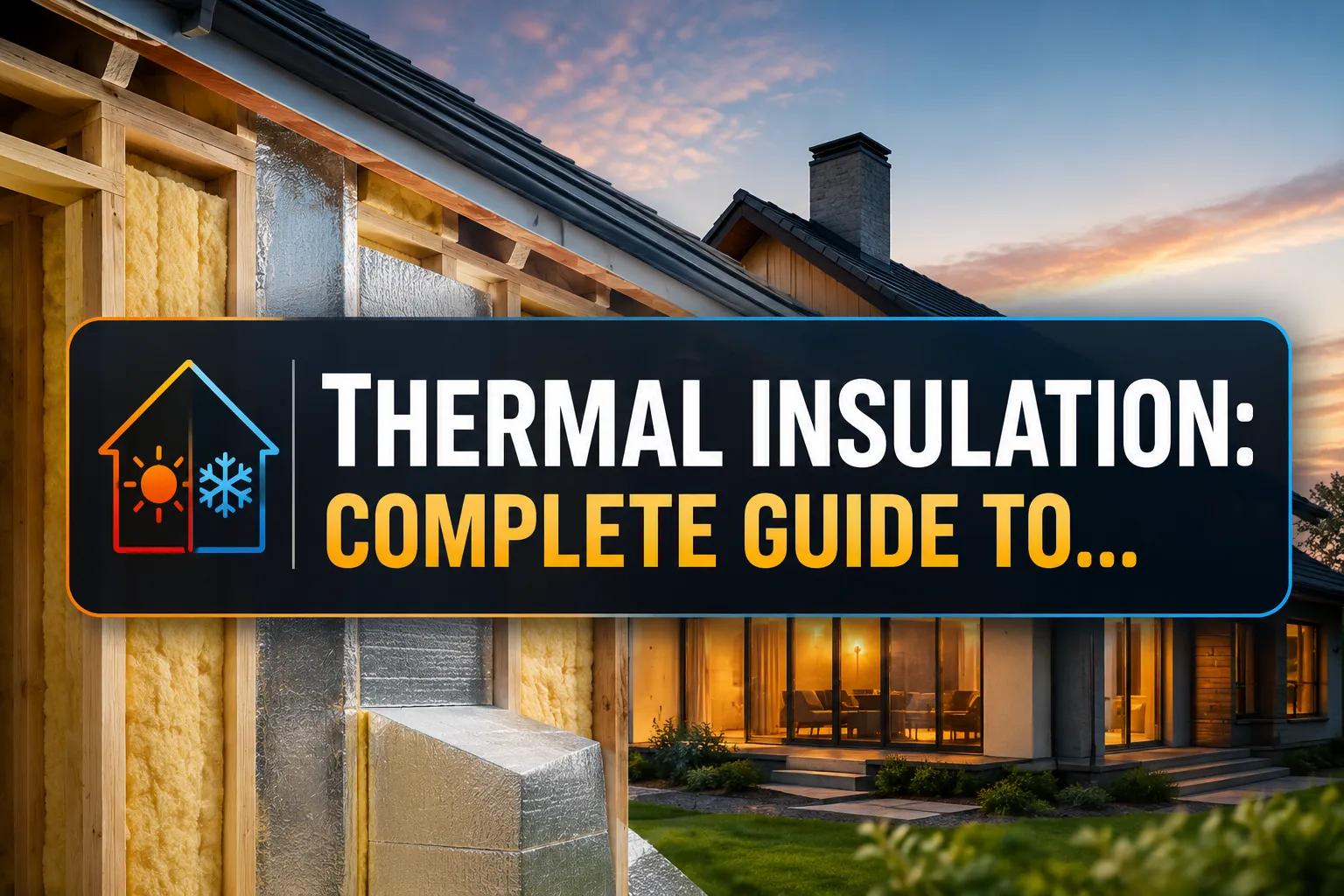
Buildings lose up to 40% of their energy through poor thermal insulation, making it the single most cost-effective upgrade for reducing heating and cooling costs. Thermal insulation works by creating barriers that slow heat transfer between indoor and outdoor environments, maintaining comfortable temperatures while reducing energy consumption.
Key Takeaways
- Thermal insulation reduces heat transfer through conduction, convection, and radiation to maintain indoor temperatures
- R-value measures insulation effectiveness – higher R-values provide better thermal resistance
- Fiberglass, foam, cellulose, and mineral wool are the most common residential insulation materials
- Proper installation prevents air gaps, moisture problems, and thermal bridging that reduce performance
- Attic insulation typically offers the highest return on investment for most homes
- Professional installation costs $1.50-$4.50 per square foot depending on material and location
- DIY installation is possible for some materials but requires proper safety equipment and technique
- Thermal insulation differs from acoustic insulation in density, material composition, and performance goals
What Is Thermal Insulation and How Does It Work
Thermal insulation is a material or system that reduces heat transfer between areas of different temperatures. It works by creating barriers that slow the three main methods of heat transfer: conduction (direct contact), convection (air movement), and radiation (electromagnetic waves).
Most insulation materials trap air in small pockets or cells. Since air is a poor conductor of heat, these trapped air spaces create resistance to heat flow. The effectiveness depends on the material's ability to minimize air movement while maintaining its structure over time.
Key mechanisms of thermal insulation:
- Conduction resistance: Dense materials like foam boards block direct heat transfer through solid contact
- Convection control: Fibrous materials like fiberglass prevent air circulation that carries heat
- Radiation reflection: Reflective barriers bounce radiant heat away from living spaces
- Air sealing: Proper installation eliminates gaps where heated or cooled air can escape
The science behind thermal insulation relies on creating temperature gradients. When outdoor temperatures are 90°F and indoor temperatures are 72°F, quality insulation maintains that 18-degree difference by slowing heat movement through walls, roofs, and floors.
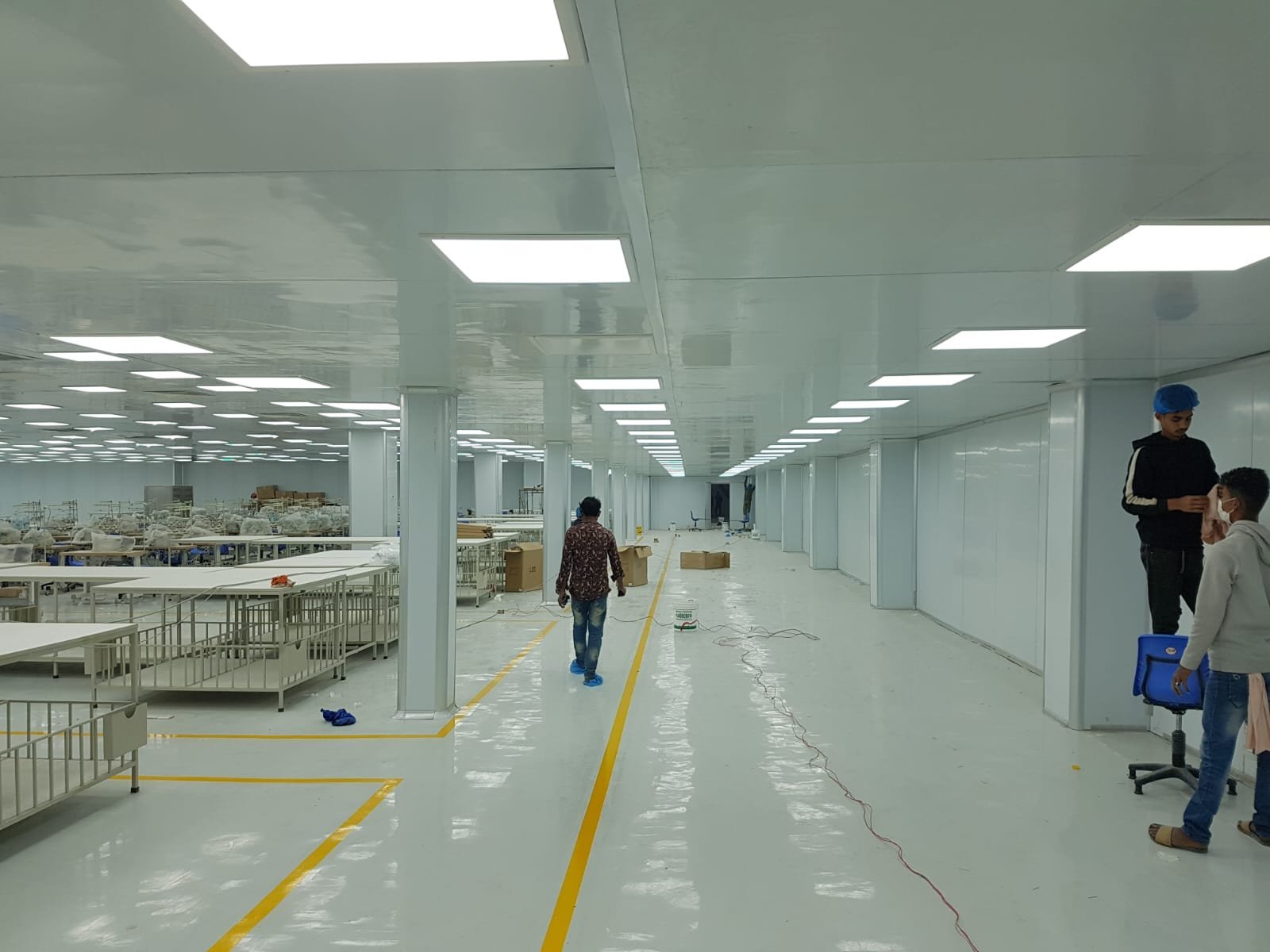
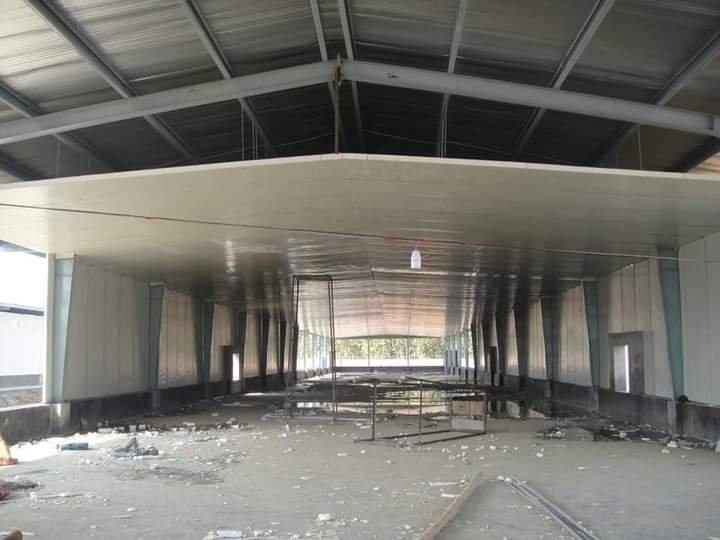
Modern thermal insulation sandwich panels combine multiple insulation methods in engineered systems for maximum efficiency.
Best Thermal Insulation Materials for Homes
Fiberglass batts remain the most popular choice due to their balance of cost, performance, and ease of installation. However, the best material depends on your specific application, climate, and budget constraints.
Top residential insulation materials:
Fiberglass Batts (R-3.2 to R-3.8 per inch)
- Lowest upfront cost at $0.64-$1.19 per square foot
- Easy DIY installation between standard stud spacing
- Good for walls, attics, and crawl spaces
- Can irritate skin and lungs during installation
Spray Foam (R-6.0 to R-6.8 per inch)
- Highest R-value per inch and excellent air sealing
- Expands to fill gaps and irregular spaces
- Costs $1.36-$2.63 per square foot installed
- Requires professional application and safety equipment
Cellulose (R-3.6 to R-3.8 per inch)
- Made from recycled paper with fire retardants
- Dense-pack installation prevents settling
- Good moisture management properties
- Costs $1.20-$2.80 per square foot
Mineral Wool (R-3.0 to R-3.3 per inch)
- Excellent fire resistance and sound dampening
- Won't absorb moisture or support mold growth
- Maintains R-value in extreme temperatures
- Higher cost but superior durability
Choose fiberglass for budget-conscious projects, spray foam for maximum performance, cellulose for eco-friendly options, or mineral wool for fire-prone areas. Consider your local climate – cold regions benefit from higher R-values while hot climates may prioritize radiant barriers.
Thermal Insulation vs Soundproofing: Key Differences
Thermal insulation and acoustic insulation serve different purposes and use different material properties, though some products provide both benefits. Thermal insulation focuses on temperature control while soundproofing targets noise reduction.
Material density differences:
- Thermal insulation: Uses low-density materials that trap air for heat resistance
- Acoustic insulation: Requires higher density materials that absorb sound waves
- Dual-purpose products: Mineral wool and some foam products provide both thermal and sound benefits
Performance measurements:
- Thermal: Measured in R-value (thermal resistance)
- Acoustic: Measured in STC (Sound Transmission Class) or NRC (Noise Reduction Coefficient)
Installation priorities:
- Thermal focus: Emphasizes continuous coverage and air sealing to prevent thermal bridging
- Sound focus: Targets specific noise sources and requires mass or absorption materials
Cost considerations:
Thermal insulation typically costs less per square foot since it uses lighter, less dense materials. Acoustic insulation panels designed for soundproofing can cost 20-50% more due to specialized manufacturing and denser materials.
Many homeowners benefit from products that address both needs. Mineral wool batts, for example, provide R-15 thermal resistance while achieving STC ratings of 45-52 for sound control. This dual functionality makes them cost-effective for bedrooms, home offices, and media rooms.
How Much Does Thermal Insulation Cost to Install
Professional thermal insulation installation costs $1.50-$4.50 per square foot, with material type and project complexity driving the price range. DIY installation can reduce costs by 40-60% but requires proper equipment and safety precautions.
Cost breakdown by material (per square foot installed):
| Material Type | DIY Cost | Professional Cost | R-Value Range |
|---|---|---|---|
| Fiberglass Batts | $0.64-$1.19 | $1.50-$2.50 | R-11 to R-38 |
| Blown Cellulose | $1.20-$1.80 | $2.20-$3.80 | R-13 to R-60 |
| Spray Foam | N/A* | $1.36-$2.63 | R-13 to R-50 |
| Mineral Wool | $1.05-$1.75 | $2.65-$4.50 | R-15 to R-30 |
*Professional installation required for spray foam due to chemical handling and specialized equipment.
Additional cost factors:
- Removal of old insulation: Add $0.50-$1.25 per square foot
- Air sealing services: $300-$1,500 for whole-house treatment
- Vapor barrier installation: $0.50-$0.70 per square foot
- Access difficulty: Crawl spaces and tight attics increase labor costs by 15-30%
Project size impacts:
- Small projects (under 500 sq ft): Higher per-square-foot costs due to minimum service charges
- Large projects (over 2,000 sq ft): Bulk pricing reduces costs by 10-20%
- Whole-house insulation: Often includes package discounts and energy audit services
Most homeowners see payback periods of 3-7 years through reduced energy bills, making thermal insulation one of the highest-return home improvements.
R-Value Explained: Measuring Thermal Insulation Performance
R-value measures thermal resistance – the ability of insulation to resist heat flow. Higher R-values indicate better insulating performance, with requirements varying by climate zone and building location.
R-value represents the temperature difference per unit of heat flux needed to sustain heat transfer through insulation. An R-30 insulation system requires 30 times more energy to transfer the same amount of heat compared to an uninsulated surface.
R-value requirements by climate zone:
Cold Climates (Zones 6-8):
- Attic: R-49 to R-60
- Walls: R-20 to R-21
- Floors: R-25 to R-30
- Basement walls: R-15 to R-20
Moderate Climates (Zones 3-5):
- Attic: R-38 to R-49
- Walls: R-13 to R-20
- Floors: R-19 to R-25
- Basement walls: R-10 to R-15
Hot Climates (Zones 1-2):
- Attic: R-30 to R-38
- Walls: R-13 to R-15
- Floors: R-13 to R-19
- Basement walls: R-10 to R-11
Important R-value considerations:
- Thickness matters: Doubling insulation thickness roughly doubles R-value
- Temperature affects performance: Extreme cold can reduce effective R-value by 10-20%
- Installation quality: Gaps and compression can reduce actual R-value by 50% or more
- Aging effects: Some materials lose R-value over time due to settling or gas diffusion
Calculate your existing R-value by measuring insulation thickness and multiplying by the material's R-value per inch. Add R-values when layering different insulation types, but ensure proper vapor barrier placement to prevent moisture problems.
Can I Install Thermal Insulation Myself
DIY thermal insulation installation is possible for fiberglass batts, rigid foam boards, and some blown insulation projects, but requires proper safety equipment and technique. Spray foam and complex retrofits typically require professional installation.
Best DIY insulation projects:
- Attic floor insulation: Straightforward installation between joists with clear access
- Basement rim joists: Small area allows for careful attention to detail
- Crawl space walls: Good practice area before tackling larger projects
- Rigid foam sheathing: Requires basic carpentry skills but manageable for experienced DIYers
Required safety equipment:
- N95 or P100 respirator mask
- Safety glasses and gloves
- Long sleeves and pants
- Knee pads for attic work
- Proper lighting and ventilation
Professional installation recommended for:
- Spray foam insulation: Requires specialized equipment and chemical handling expertise
- Dense-pack cellulose: Needs pneumatic equipment and experience to prevent settling
- Existing wall retrofits: Complex access and potential electrical/plumbing conflicts
- Whole-house projects: Coordinating vapor barriers, air sealing, and building codes
Common DIY mistakes to avoid:
- Compressing insulation: Reduces R-value significantly
- Covering recessed lights: Creates fire hazards without proper IC-rated fixtures
- Blocking ventilation: Prevents proper airflow in attics and crawl spaces
- Ignoring vapor barriers: Can cause moisture problems and mold growth
Start with small, accessible areas to build skills before tackling major projects. Many building supply stores offer tool rental and installation guidance for DIY projects. Consider professional consultation for complex layouts or code compliance questions.
Thermal Insulation for Attic vs Walls vs Basement Applications
Attic insulation typically provides the highest return on investment since heat naturally rises, making the roof the primary area for heat loss. However, walls and basements require different approaches due to structural and moisture considerations.
Attic insulation strategies:
- Blown insulation: Covers irregular spaces and achieves high R-values efficiently
- Batt installation: Works well for standard joist spacing with proper air sealing
- Target R-values: R-38 to R-60 depending on climate zone
- Key considerations: Maintain ventilation, avoid covering recessed lights, seal air leaks first
Wall insulation approaches:
- New construction: Cavity insulation plus continuous exterior insulation prevents thermal bridging
- Retrofit projects: Blown-in insulation through small holes or interior/exterior rigid foam
- Target R-values: R-13 to R-21 depending on climate and wall thickness
- Moisture management: Proper vapor barrier placement prevents condensation problems
Basement insulation methods:
- Interior approach: Rigid foam or batt insulation on interior foundation walls
- Exterior approach: Protects foundation from freeze-thaw cycles but costs more
- Target R-values: R-10 to R-20 depending on climate zone
- Moisture control: Address water issues before insulating to prevent mold
Performance priorities by location:
- Attic: Focus on maximum R-value and air sealing for greatest energy savings
- Walls: Balance thermal performance with moisture management and structural integrity
- Basement: Emphasize moisture control while providing adequate thermal resistance
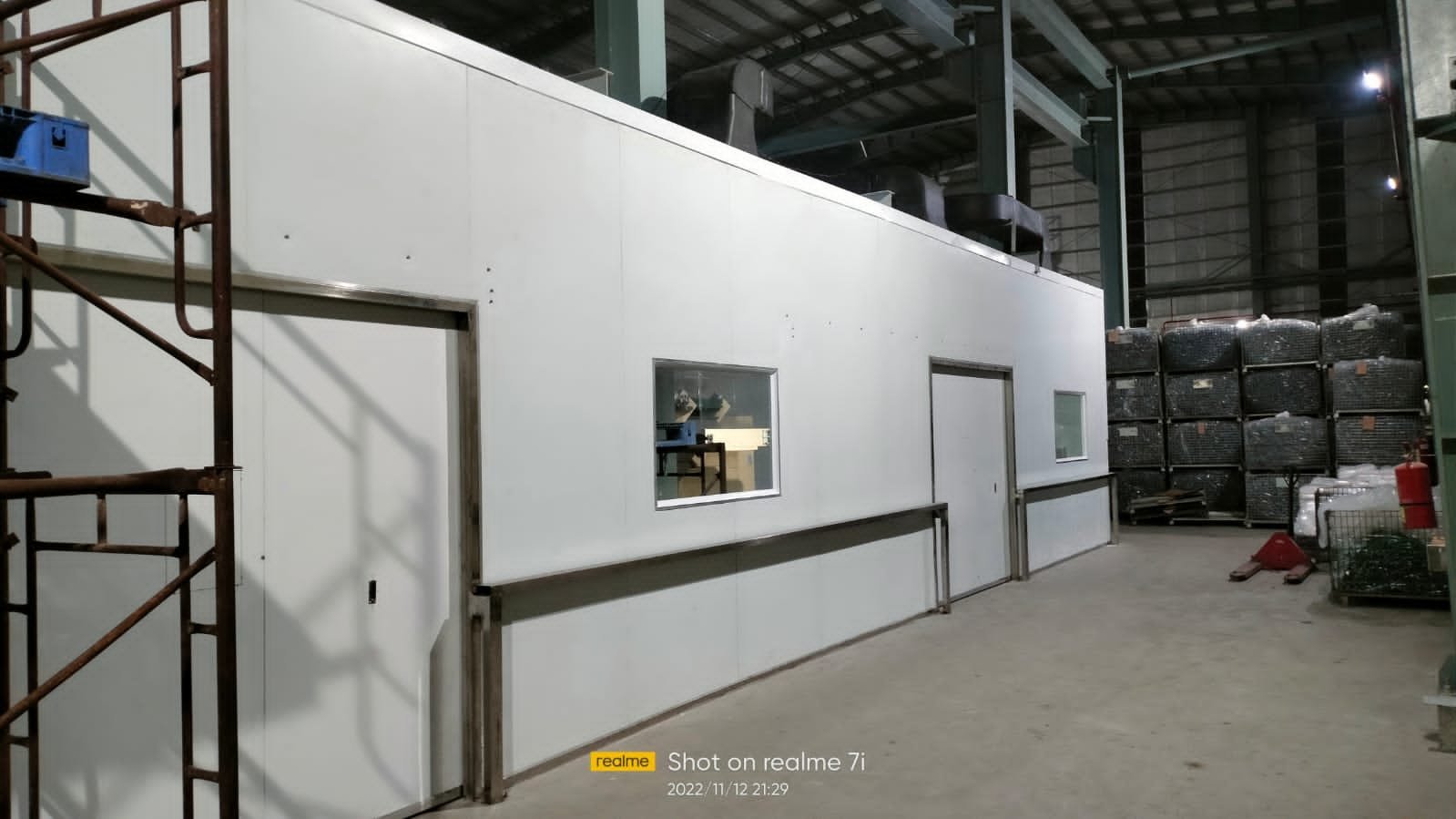
Cold storage insulation applications require specialized approaches that combine lessons from all three residential areas.
Installation sequence for whole-house projects:
Start with attic insulation for immediate impact, then address basement areas during moderate weather, and complete wall insulation during major renovation projects when wall cavities are accessible.
Does Thermal Insulation Really Save Money on Energy Bills
Quality thermal insulation typically reduces heating and cooling costs by 15-50%, with payback periods of 3-7 years in most climates. The actual savings depend on your current insulation levels, local energy costs, and climate conditions.
Documented energy savings by improvement:
- Attic insulation upgrade (R-11 to R-38): 10-25% reduction in total energy costs
- Wall insulation retrofit: 8-18% reduction in heating and cooling expenses
- Basement insulation: 5-12% reduction in overall energy bills
- Comprehensive insulation + air sealing: 20-50% reduction in energy consumption
Factors affecting savings potential:
- Current insulation levels: Homes with little or no insulation see the largest improvements
- Energy costs: Higher electricity and gas rates increase savings potential
- Climate extremes: Regions with significant heating or cooling loads benefit more
- Home age and construction: Older homes typically have greater improvement opportunities
Real-world savings examples:
A 2,000 square foot home in Minneapolis spending $2,400 annually on energy could save $360-$600 per year after comprehensive insulation upgrades costing $4,500-$7,200. The payback period ranges from 7-12 years, with continued savings for decades.
Additional financial benefits:
- Increased home value: Quality insulation adds 2-6% to resale value
- Utility rebates: Many providers offer $0.10-$0.50 per square foot rebates
- Tax credits: Federal and state programs may cover 10-30% of installation costs
- Comfort improvements: More consistent temperatures and reduced drafts
Measurement and verification:
Track energy usage for 12 months before and after installation to document actual savings. Smart thermostats and energy monitoring systems help identify the impact of insulation improvements on daily energy consumption patterns.
The key to maximizing savings is addressing air leaks alongside insulation installation, as gaps can reduce efficiency by 25-40% even with high-quality materials.
Thermal Insulation Problems and Common Mistakes
Poor installation technique causes 30-50% of insulation performance problems, with air gaps, compression, and moisture issues being the most frequent failures. Understanding these problems helps ensure proper installation and long-term performance.
Most common installation mistakes:
Air gaps and thermal bridging:
- Problem: Gaps around pipes, wires, and framing allow air movement
- Impact: Reduces effective R-value by 25-50%
- Solution: Use expanding foam, caulk, and gaskets to seal all penetrations before insulation
Compression and improper fit:
- Problem: Stuffing insulation into spaces reduces its thickness and traps less air
- Impact: R-15 insulation compressed to half thickness performs like R-7
- Solution: Cut batts slightly larger than cavity width but don't force oversized pieces
Moisture and vapor barrier errors:
- Problem: Incorrect vapor barrier placement or missing moisture control
- Impact: Condensation leads to mold, rot, and insulation degradation
- Solution: Install vapor barriers on the warm side of insulation in heating climates
Ventilation blocking:
- Problem: Insulation blocks soffit vents or creates air dams in attics
- Impact: Causes ice dams, moisture buildup, and reduced insulation life
- Solution: Install baffles to maintain airflow paths before adding insulation
Long-term performance issues:
- Settling: Blown insulation can settle 10-20% over time, reducing R-value
- Rodent damage: Pests can create tunnels that eliminate thermal resistance
- Moisture absorption: Wet insulation loses most of its insulating properties
- Aging degradation: Some foam products lose gas fill and R-value over decades
Prevention strategies:
- Professional inspection: Have installation reviewed before closing up walls or attics
- Quality materials: Choose products with proven long-term performance records
- Proper preparation: Address air sealing and moisture issues before insulation installation
- Regular maintenance: Check insulation condition during routine home maintenance
Warning signs of insulation problems:
- Uneven temperatures between rooms
- Ice dams forming on roof edges
- High energy bills despite recent insulation work
- Visible gaps, compression, or settling in accessible areas
Address problems quickly since poor insulation performance compounds over time and can lead to structural moisture damage.
Best Thermal Insulation for Cold Climates
Spray foam and mineral wool insulation perform best in extreme cold conditions because they maintain R-value and resist air infiltration when temperatures drop below freezing. Cold climates require higher R-values and materials that won't degrade in freeze-thaw cycles.
Top cold-climate insulation materials:
Closed-cell spray foam:
- Performance: Maintains R-6.0+ per inch at -20°F
- Benefits: Excellent air sealing and moisture resistance
- Applications: Rim joists, crawl spaces, and cathedral ceilings
- Cost: $1.50-$2.80 per square foot installed
Mineral wool (rockwool):
- Performance: R-value stable from -80°F to 400°F
- Benefits: Fire resistant and won't absorb moisture
- Applications: Walls, attics, and basement insulation
- Cost: $1.05-$1.75 per square foot DIY
High-density fiberglass:
- Performance: Better air resistance than standard fiberglass
- Benefits: Lower cost with improved cold-weather performance
- Applications: Wall cavities and attic floors
- Cost: $0.85-$1.40 per square foot
Cold climate R-value targets:
- Attic: R-60 minimum for zones 7-8
- Walls: R-21 to R-25 with continuous exterior insulation
- Basement walls: R-15 to R-20 interior or exterior
- Floors over unconditioned space: R-30 to R-38
Special cold-climate considerations:
- Thermal bridging: Steel and concrete framing requires continuous insulation layers
- Air sealing: More critical in cold climates due to greater pressure differentials
- Moisture management: Vapor barriers must be carefully placed to prevent condensation
- Installation timing: Some materials perform better when installed in moderate temperatures
Regional material preferences:
Northern regions often favor mineral wool for its fire resistance and consistent performance, while spray foam works well for retrofits where air sealing is the primary concern. Building insulation panels designed for cold storage applications offer insights for extreme climate residential use.
Performance verification:
Cold climates benefit from blower door testing to verify air sealing effectiveness, since air leaks cause proportionally greater energy losses when temperature differences exceed 40-50°F.
Thermal Insulation Alternatives to Fiberglass
Cellulose, mineral wool, and natural fiber insulations offer comparable or superior performance to fiberglass while addressing concerns about installation comfort and environmental impact. Each alternative has specific advantages for different applications and preferences.
Cellulose insulation:
- Composition: Recycled newspaper treated with fire retardants
- R-value: R-3.6 per inch, similar to fiberglass
- Advantages: Dense installation prevents air movement, good moisture management
- Applications: Blown-in retrofits and new construction cavities
- Cost: $1.20-$2.80 per square foot installed
Mineral wool (rockwool/slag wool):
- Composition: Spun rock or steel slag fibers
- R-value: R-3.0-3.3 per inch
- Advantages: Fire resistant to 2,000°F, excellent sound dampening, won't support mold
- Applications: Fire-rated assemblies, mechanical rooms, sound control areas
- Cost: $1.05-$1.75 per square foot DIY
Natural fiber options:
Cotton (recycled denim):
- R-value: R-3.4 per inch
- Benefits: No respiratory irritation, easy handling, sustainable material
- Limitations: Higher cost, limited availability
- Best for: DIY projects where comfort matters
Sheep's wool:
- R-value: R-3.5 per inch
- Benefits: Natural moisture regulation, no chemical treatments needed
- Limitations: Premium pricing, specialty sourcing required
- Applications: High-end green building projects
Cork board:
- R-value: R-3.6 per inch
- Benefits: Naturally antimicrobial, excellent durability
- Applications: Exterior sheathing, specialty applications
- Cost: 2-3x fiberglass pricing
Rigid foam alternatives:
- Polyiso: R-6.0+ per inch, good for continuous exterior insulation
- XPS: Moisture resistant, ideal for below-grade applications
- GPS (graphite polystyrene): Enhanced R-value through graphite particles
Selection criteria for alternatives:
- Choose cellulose for retrofit projects requiring dense-pack installation
- Select mineral wool for fire resistance and sound control priorities
- Consider natural fibers for chemical-sensitive occupants or green building goals
- Use rigid alternatives for continuous insulation and thermal bridge prevention
Most alternatives cost 15-50% more than fiberglass but offer specific performance advantages that justify the premium in appropriate applications.
Who Needs Thermal Insulation in Their Home
Every home benefits from proper thermal insulation, but properties built before 1980, homes with high energy bills, and buildings in extreme climates see the greatest improvements. Specific situations make insulation upgrades particularly valuable.
High-priority candidates for insulation upgrades:
Older homes (pre-1980):
- Built before modern energy codes required adequate insulation
- Often have R-7 or less in walls, minimal attic insulation
- Single-pane windows and poor air sealing compound heat loss
- Typical energy savings: 25-50% with comprehensive upgrades
High energy bill indicators:
- Monthly heating/cooling costs exceed $150 for average-sized homes
- Energy costs represent more than 3% of household income
- Uneven temperatures between rooms or floors
- Frequent HVAC system cycling
Climate-driven needs:
- Cold climates: Heating degree days over 4,000 annually
- Hot climates: Cooling degree days over 2,000 annually
- Mixed climates: Both significant heating and cooling loads
Comfort and health priorities:
- Families with allergies: Better insulation reduces outdoor allergen infiltration
- Home offices: Consistent temperatures improve comfort and productivity
- Elderly residents: Stable temperatures support health and safety
- Sound-sensitive occupants: Insulation provides acoustic benefits
Property-specific situations:
- New additions: Building codes require modern insulation levels
- HVAC replacements: Right-sizing equipment requires known building thermal performance
- Roof replacements: Opportunity to upgrade attic insulation cost-effectively
- Basement finishing: Insulation required for comfortable living space
Financial motivations:
- Home sale preparation: Insulation upgrades appeal to energy-conscious buyers
- Rental properties: Lower utility costs attract tenants and reduce vacancy
- Fixed-income households: Insulation provides permanent utility bill reduction
- Tax credit eligibility: Federal and state programs offset installation costs
Assessment methods:
Professional energy audits identify specific insulation needs through blower door tests, thermal imaging, and utility bill analysis. Many utility companies offer free or subsidized audits to help prioritize improvements.
Even well-insulated homes benefit from periodic inspection since insulation can settle, degrade, or develop gaps over time that reduce performance.
Thermal Insulation Thickness: How Much Do You Need
Insulation thickness requirements depend on the material's R-value per inch and your climate zone's recommended total R-value. Most residential applications need 6-20 inches of insulation depending on the material and location.
Thickness calculations by material:
Fiberglass batts (R-3.2 per inch):
- R-38 attic requirement: 12 inches thick
- R-21 wall requirement: 6.5 inches thick
- R-30 floor requirement: 9.5 inches thick
Cellulose (R-3.6 per inch):
- R-49 attic requirement: 13.5 inches thick
- R-20 wall requirement: 5.5 inches thick
- R-25 floor requirement: 7 inches thick
Spray foam (R-6.0 per inch):
- R-30 attic requirement: 5 inches thick
- R-15 wall requirement: 2.5 inches thick
- R-20 basement requirement: 3.5 inches thick
Rigid foam boards:
- Polyiso (R-6.5 per inch): 3 inches for R-20
- XPS (R-5.0 per inch): 4 inches for R-20
- EPS (R-4.0 per inch): 5 inches for R-20
Space constraints and solutions:
- Standard 2×4 walls: Maximum 3.5 inches cavity insulation (R-11 to R-15)
- 2×6 walls: Allow 5.5 inches cavity insulation (R-19 to R-23)
- Continuous exterior insulation: Adds R-value without reducing interior space
- Cathedral ceilings: Limited by rafter depth, may need high-performance materials
Layering different materials:
Add R-values when combining insulation types, but ensure proper vapor barrier placement:
- Attic: R-19 batts plus R-19 blown cellulose = R-38 total
- Walls: R-13 cavity plus R-5 exterior foam = R-18 total
- Basement: R-11 batts plus R-10 rigid foam = R-21 total
Diminishing returns consideration:
Going beyond recommended R-values provides smaller energy savings per dollar invested. Focus on achieving code minimums first, then consider upgrades based on energy costs and comfort priorities.
Installation depth planning:
- Attic floors: Unlimited thickness possible with proper ventilation maintenance
- Wall retrofits: Limited by existing cavity depth
- Basement ceilings: Consider headroom requirements for finished spaces
Measure existing insulation thickness and calculate current R-value before planning upgrades. Many homes need additional thickness rather than complete replacement.
Thermal Insulation Moisture and Condensation Issues
Moisture problems occur when warm, humid air contacts cold surfaces within insulation systems, causing condensation that reduces thermal performance and can lead to mold growth. Proper vapor barrier placement and ventilation prevent most moisture issues.
How moisture problems develop:
- Winter conditions: Indoor humidity migrates through walls toward cold exterior surfaces
- Summer conditions: Hot, humid outdoor air penetrates toward cool, air-conditioned interiors
- Condensation zones: Moisture condenses when air reaches dew point temperature
- Insulation saturation: Wet insulation loses 50-90% of its R-value
Vapor barrier placement rules:
- Heating climates: Install vapor barriers on the warm (interior) side of insulation
- Cooling climates: Place vapor barriers on the exterior side or use permeable materials
- Mixed climates: Use "smart" vapor retarders that adjust permeability with humidity levels
Common moisture problem areas:
Attic spaces:
- Cause: Inadequate ventilation or air leaks from living space
- Solution: Seal air leaks first, then ensure proper soffit and ridge ventilation
- Ventilation ratio: 1 square foot of net free area per 150 square feet of attic floor
Wall cavities:
- Cause: Vapor barrier on wrong side or missing air sealing
- Solution: Install vapor barrier on warm side, seal all penetrations
- Materials: 6-mil polyethylene or foil-faced insulation
Basement walls:
- Cause: Foundation moisture or interior humidity migration
- Solution: Address exterior drainage, use moisture-resistant insulation
- Best practices: Rigid foam or closed-cell spray foam for below-grade applications
Prevention strategies:
- Control indoor humidity: Maintain 30-50% relative humidity year-round
- Exhaust ventilation: Use bathroom and kitchen fans to remove moisture at the source
- Air sealing: Prevent air movement that carries moisture into insulation
- Material selection: Choose insulation appropriate for moisture conditions
Warning signs of moisture problems:
- Visible mold or mildew on insulation or framing
- Musty odors in insulated areas
- Ice dams forming on roof edges
- Peeling paint or wallpaper on exterior walls
- Rust on metal components near insulation
Remediation steps:
- Identify moisture source: Leaks, humidity, or condensation
- Remove damaged insulation: Wet insulation must be replaced
- Address root cause: Fix leaks, improve ventilation, or adjust vapor barriers
- Reinstall properly: Use appropriate materials and installation techniques
Eco-friendly insulation options often include natural moisture management properties that reduce condensation risks.
Climate-specific considerations:
Hot, humid climates require different moisture management strategies than cold, dry regions. Consult local building codes and experienced contractors for region-appropriate solutions.
Frequently Asked Questions
How long does thermal insulation last?
Quality insulation lasts 20-80 years depending on material and installation. Fiberglass batts typically last 25-40 years, while spray foam can perform for 80+ years. Regular inspection helps identify settling, moisture damage, or pest issues that may require replacement.
Can I add insulation over existing insulation?
Yes, you can layer most insulation types, but ensure proper vapor barrier placement. Add unfaced insulation over existing faced insulation, and maintain ventilation paths in attics. Check that additional weight won't exceed ceiling load limits.
Does thermal insulation help with cooling costs?
Insulation reduces both heating and cooling costs by slowing heat transfer in both directions. In summer, it prevents hot outdoor air from warming your home and keeps conditioned air inside. Attic insulation is particularly effective for cooling cost reduction.
What's the difference between faced and unfaced insulation?
Faced insulation has a vapor barrier (paper or foil) attached to one side, while unfaced insulation has no barrier. Use faced insulation when you need a vapor barrier, unfaced when adding to existing insulation or when separate vapor barriers are installed.
How do I know if my home needs more insulation?
Signs include high energy bills, uneven temperatures, cold walls or floors, ice dams, and drafts. A professional energy audit with thermal imaging can identify specific problem areas and quantify potential improvements.
Is thermal insulation safe for indoor air quality?
Modern insulation materials are safe when properly installed. Fiberglass may cause temporary skin and respiratory irritation during installation but doesn't affect indoor air quality afterward. Some spray foams require ventilation during curing but are inert once fully cured.
Can thermal insulation reduce noise?
Many insulation materials provide acoustic benefits, with mineral wool and dense-pack cellulose being most effective for sound control. However, thermal insulation and acoustic insulation have different design priorities and performance characteristics.
What happens if insulation gets wet?
Wet insulation loses most of its thermal resistance and can support mold growth. Fiberglass and mineral wool can be dried and reused if cleaned quickly, while cellulose and some foams typically require replacement. Address moisture sources before reinstalling.
How much can I save on energy bills with proper insulation?
Typical savings range from 15-50% of heating and cooling costs, depending on existing insulation levels and climate. Homes with little existing insulation see the largest improvements, with payback periods of 3-7 years common.
Do I need permits for insulation installation?
Most insulation upgrades don't require permits, but check local codes for specific requirements. Major retrofits involving structural changes or electrical work may need permits. Professional contractors typically handle permit requirements.
Can I install different types of insulation in the same house?
Yes, different areas often benefit from different insulation types. Use spray foam for air sealing, fiberglass batts for standard cavities, and rigid foam for continuous insulation. Ensure compatible vapor barrier strategies throughout the building.
How do I maintain thermal insulation?
Inspect insulation annually for settling, gaps, moisture damage, or pest intrusion. Keep attic ventilation clear, maintain proper humidity levels, and address air leaks promptly. Most insulation requires minimal maintenance when properly installed.
Conclusion
Thermal insulation represents one of the most effective investments in home energy efficiency, comfort, and long-term value. The science is straightforward: quality insulation materials properly installed create barriers that slow heat transfer, maintaining comfortable indoor temperatures while reducing energy consumption by 15-50% in most homes.
Success depends on matching the right material to your specific needs. Fiberglass batts offer cost-effective solutions for standard applications, while spray foam provides superior air sealing for complex retrofits. Mineral wool excels in fire-prone areas, and cellulose delivers excellent performance for blown-in applications. Each material has optimal uses based on R-value requirements, moisture conditions, and installation constraints.
The key to maximizing performance lies in proper installation technique. Air sealing must precede insulation installation, vapor barriers require correct placement for your climate, and maintaining ventilation paths prevents moisture problems. Professional installation ensures code compliance and optimal performance, while DIY approaches work well for accessible areas when proper safety equipment and techniques are used.
Take action on thermal insulation:
- Assess current conditions through utility bill analysis and visual inspection of accessible insulation
- Prioritize improvements starting with attic insulation for maximum return on investment
- Choose appropriate materials based on climate requirements, budget, and performance goals
- Address air sealing and moisture management alongside insulation installation
- Consider professional consultation for complex projects or whole-house upgrades
For specialized applications like thermal performance sandwich panels or building insulation systems, working with experienced manufacturers ensures optimal material selection and installation practices.
Quality thermal insulation provides decades of energy savings, improved comfort, and enhanced property value. Start with the highest-impact areas like attics and work systematically through your home's thermal envelope for comprehensive performance improvements.
SEO Meta Title: Thermal Insulation Guide 2026: Types, Costs & Installation Tips