Quick Answer: PU and Rock Wool sandwich panels solve different problems. A PU (rigid polyurethane) core generally gives more insulation for its thickness and a lighter panel, which is why it is the usual choice for cold rooms and cold storage. A Rock Wool (mineral wool) core is non-combustible and absorbs sound, which makes it the core to consider first where fire resistance or noise control drives the design — at the cost of more weight and more thickness for the same insulation. Many buildings use both: PU for the cold rooms, Rock Wool for fire-sensitive walls.
Key Takeaways
- Choose PU when insulation per millimetre, low weight and cold-room performance matter most.
- Choose Rock Wool when fire resistance or acoustic absorption is the priority.
- Rock Wool usually needs a thicker panel to reach the same insulation as PU.
- Mineral wool must be kept dry: joints, cut edges and penetrations need careful sealing.
- Fire performance belongs to the tested panel system, not the core alone — ask for the test evidence of the exact product.
The two cores in brief
PU is a rigid, closed-cell polyurethane foam. It insulates well for its thickness and forms a stiff, light panel. It is an organic material, so its fire behaviour depends on the formulation and the tested system. See the PU sandwich panel and our PU guide.
Rock Wool is a mineral fibre made from molten rock spun into fibres. The core does not burn, and its open fibrous structure absorbs sound. It is denser than foam, so panels are heavier. See the Rock Wool sandwich panel and our Rock Wool guide.
PU vs Rock Wool: side-by-side
| Factor | PU core | Rock Wool core |
|---|---|---|
| Insulation for the same thickness | Generally higher | Lower — needs more thickness |
| Core combustibility | Organic foam — depends on formulation and tested system | Non-combustible mineral fibre |
| Sound absorption | Limited | Good |
| Weight | Lighter | Heavier |
| Moisture | Closed-cell foam; seal joints and edges | Fibrous; must be kept dry with well-sealed joints and edges |
| Typical cost | Usually lower than Rock Wool | Usually higher |
| Typical uses | Cold rooms, freezers, cold storage, insulated roofs | Fire-sensitive walls, generator and plant rooms, noisy areas |
Thermal efficiency
For a temperature-controlled room, insulation per unit of thickness is decisive. PU generally reaches a target insulation level with a thinner panel than Rock Wool, which keeps walls slimmer, saves internal space and reduces refrigeration load. Rock Wool can still reach good insulation — it simply needs more thickness to do it. For choosing thickness, see how to choose sandwich panel thickness, and for cold rooms specifically, PU sandwich panel for cold rooms.
Fire resistance
A Rock Wool core does not burn, which is why it is the starting point for walls that must resist fire. PU is combustible foam, although formulations and complete panel systems differ in how they perform. In both cases, what counts in a building approval is the classification of the tested panel system — core, facings and joints together — so always ask for the fire test evidence for the exact panel and thickness you are buying, and check it against what your authority and insurer require.
Our Rock Wool fire safety guide and fire-rated sandwich panel guide go further.
Acoustic performance
Rock Wool's fibrous structure absorbs sound, so Rock Wool panels are often chosen around generators, compressors and noisy production lines. A foam core does less to absorb sound. Acoustic results depend heavily on the whole construction, including joints and gaps. See Rock Wool panel acoustic properties and PU panel acoustic rating.
Moisture, weight and structure
PU foam's closed cells resist water uptake, although joints and cut edges still need sealing. Rock Wool is fibrous, so keeping it dry depends on well-sealed joints, protected cut edges and sealed penetrations — especially in humid conditions. Rock Wool panels are also heavier, which the supporting structure and handling plan need to allow for, and span tables differ between the two cores.
Which one for which room?
| Application | Usual starting point | Why |
|---|---|---|
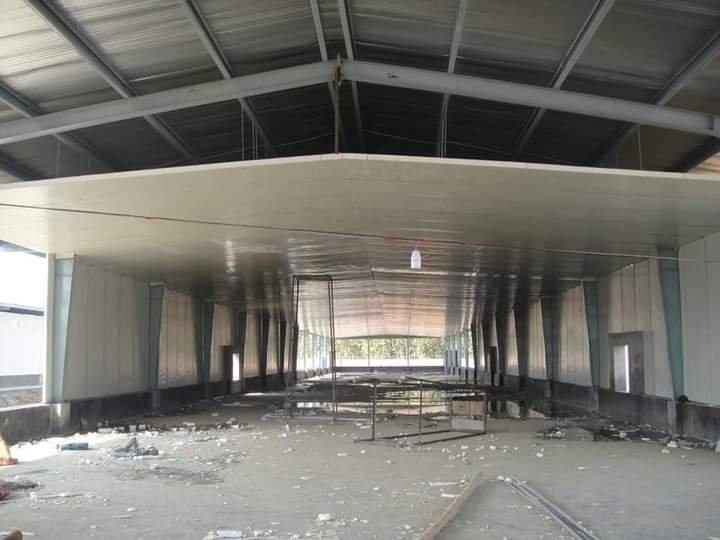
| Cold room, freezer, cold storage | PU | Insulation per thickness, lower weight |
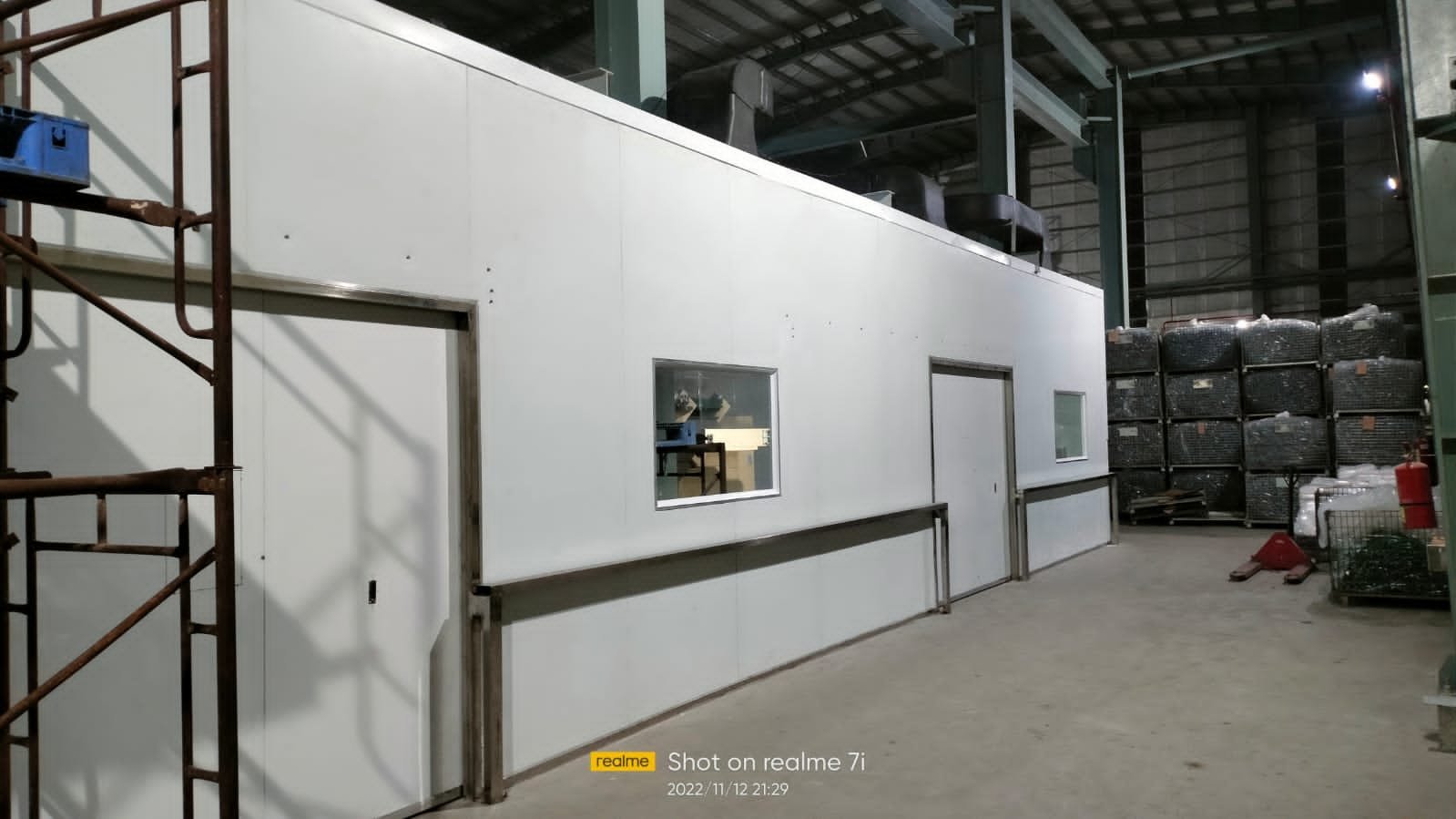
| Fire compartment wall, generator room | Rock Wool | Non-combustible core |
| Plant room or noisy production area | Rock Wool | Sound absorption and fire resistance |
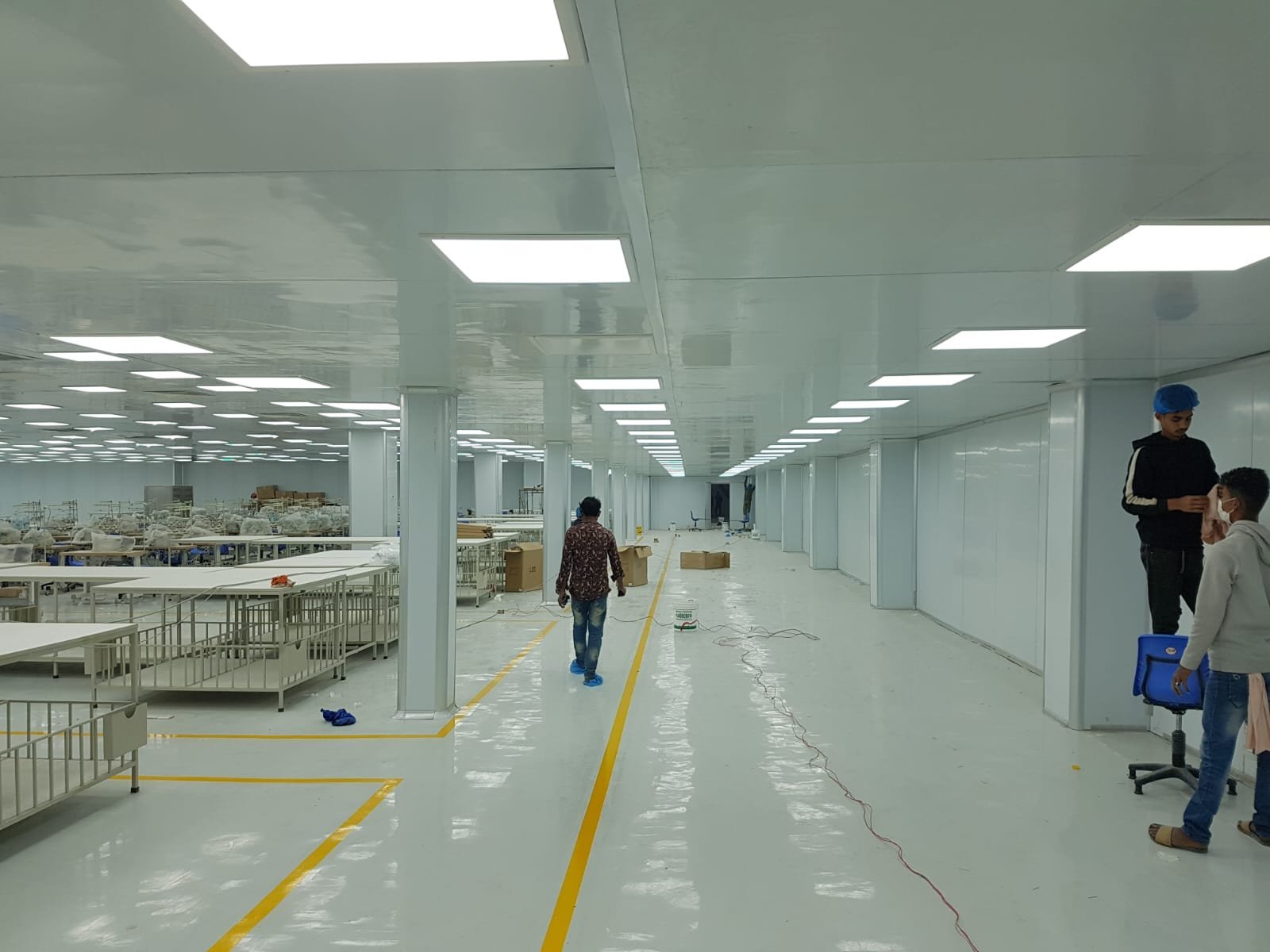
| Clean room | Either | Depends on temperature and fire requirements of the zone |
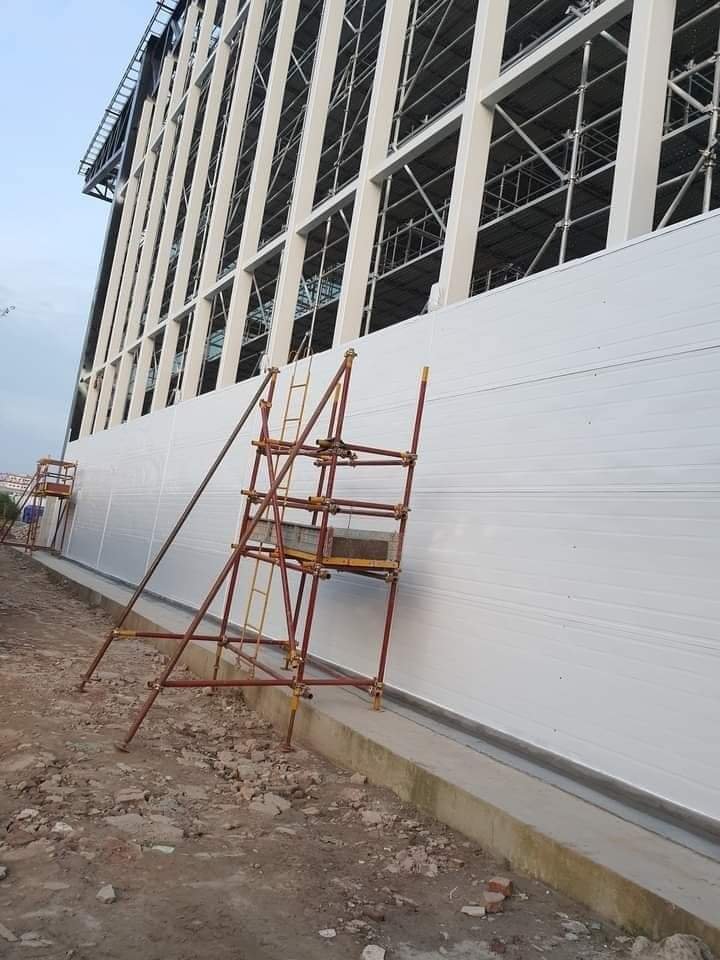
| Factory or warehouse cladding | Either | Balance insulation, fire requirements and budget |
Where one building has both needs, combine them: PU for the cold chambers, Rock Wool for the fire-sensitive walls. For a view of all core types, including EPS and PIR, read sandwich panel types in Bangladesh and EPS vs PU sandwich panel.
Cost considerations
Compare quotations for the same performance, not only the same thickness: a Rock Wool wall may need a thicker panel than a PU wall to insulate equally, while a PU wall may need extra fire protection in some locations. Include accessories, doors, delivery and installation. Our sandwich panel price guide explains what drives panel pricing.
Conclusion
PU is the efficient insulator; Rock Wool is the fire- and noise-resistant choice. Decide by the job each room must do, confirm fire, thermal and span data on the exact product datasheet, and do not hesitate to use both in one building. When you are ready, send us your requirements for a quotation.